
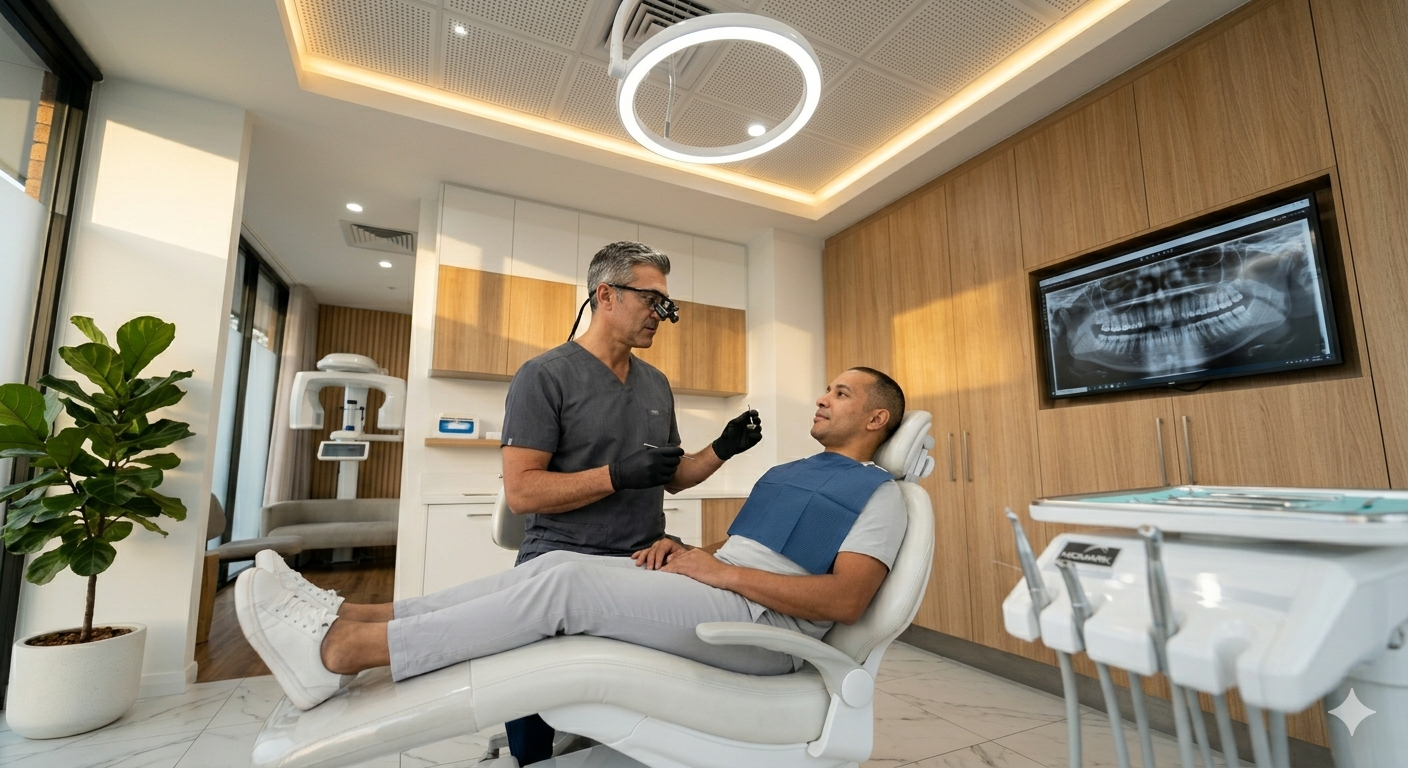
When a dental emergency strikes in Clovis, CA, knowing where to turn can make all the difference. Whether it’s a sudden toothache, a broken tooth, or an injury, quick and expert care is essential to relieve pain and prevent further damage. Emergency dental care in Clovis offers prompt treatment designed to address urgent issues and get patients back to feeling their best.
Many dental offices in the area provide same-day appointments and walk-in options for emergencies, ensuring patients don’t have to wait or suffer unnecessarily. They use modern techniques and compassionate care to handle common emergencies like infections, knocked-out teeth, and severe pain with ease.
People often worry about when to seek emergency help versus waiting for a regular visit. Understanding what qualifies as an emergency can prevent complications and save teeth, making it important to reach out quickly if problems arise. If an unexpected dental problem happens, consulting a trusted local dentist can provide reassurance and immediate relief.
What Is Emergency Dental Care?
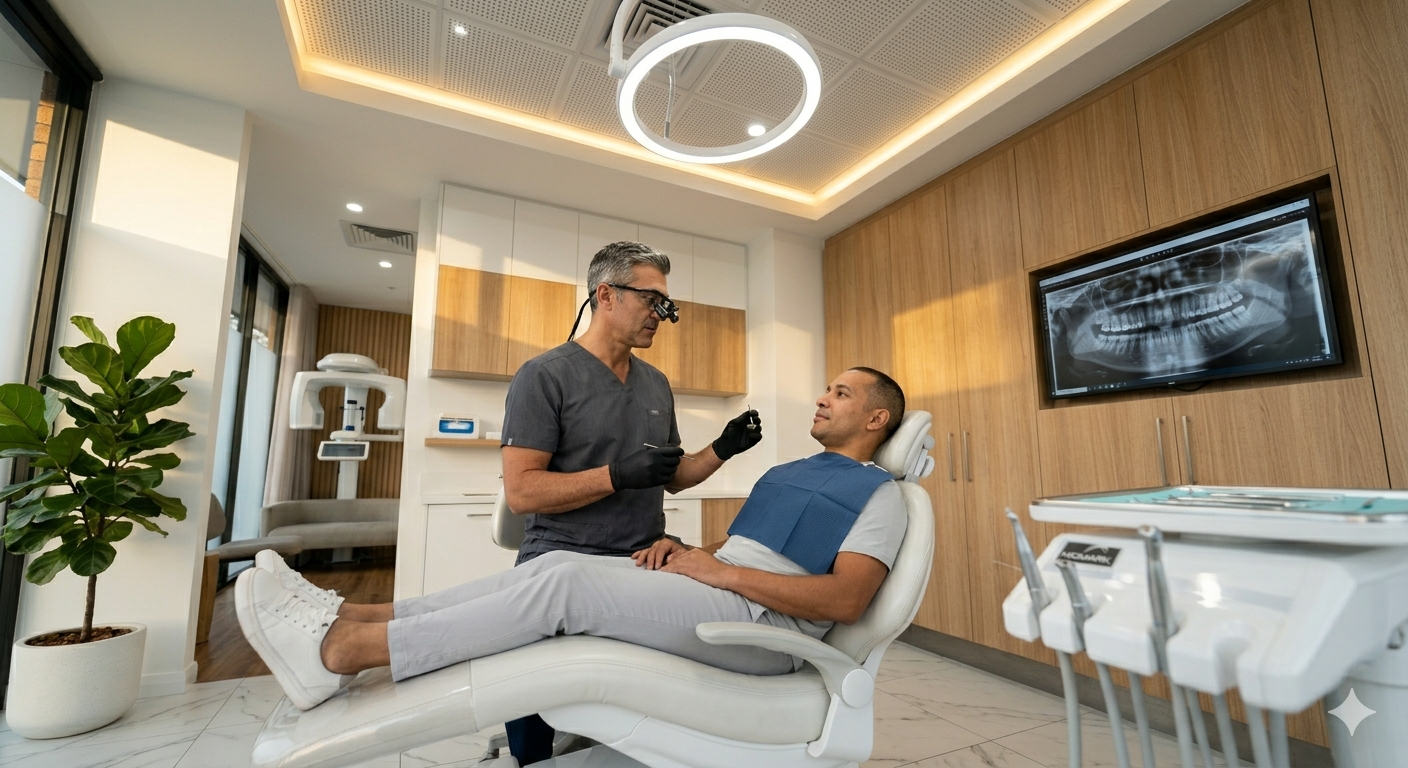
Emergency dental care involves immediate treatment to relieve severe pain, stop bleeding, or repair damage to teeth and gums. It addresses problems that cannot wait for a regular dental appointment. Quick action helps prevent worsening conditions and preserves oral health.
Common Dental Emergencies
Dental emergencies include knocked-out teeth, severe toothaches, chipped or broken teeth, and infections causing swelling or fever. Other urgent issues are lost fillings or crowns and injuries to soft tissues like lips or gums.
Each emergency type requires specific care. For instance, a knocked-out tooth must be handled gently and brought to the dentist quickly, ideally within an hour, to improve chances of saving it. Severe pain often signals infection or decay needing immediate attention to avoid complications.
When to Seek Immediate Help
Immediate dental care should be sought if there’s uncontrolled bleeding, intense pain, or signs of infection such as swelling, redness, or fever. Trauma from accidents causing tooth displacement requires urgent visits too.
If a tooth is knocked out, find it, rinse gently, and place it in milk or saliva to protect it. Do not wait if pain disrupts daily life or swelling affects breathing or swallowing. Acting promptly can save teeth and reduce treatment times.
How Emergency Visits Work
During an emergency visit, the dentist quickly assesses the problem and stabilizes the situation. This often includes pain relief, stopping bleeding, and cleaning wounds. X-rays or scans might be used to evaluate damage beneath the surface.
Treatment plans focus on immediate needs first—repairing damage or managing infection—followed by longer-term solutions. Staff aim to make patients comfortable and explain each step. Emergency clinics in Clovis, CA, often offer flexible hours for prompt care.
Signs You Need Urgent Dental Attention
Certain symptoms signal that dental care can’t wait. Recognizing these signs quickly helps prevent complications and eases discomfort.
Severe Tooth Pain
Severe tooth pain that won’t subside with over-the-counter painkillers is a major warning sign. It often indicates an infection, deep cavity, or nerve damage needing prompt care.
Pain that worsens with pressure or temperature changes usually means the nerve inside the tooth is inflamed or dying. Ignoring this pain can lead to abscesses or tooth loss.
If the pain is accompanied by fever or swelling, it’s critical to seek emergency dental care. Prompt treatment can stop the infection from spreading and relieve intense discomfort.
Broken or Knocked-Out Teeth
A broken or knocked-out tooth requires immediate dental help to save it. Time is crucial—within the first hour is best for reimplanting a knocked-out tooth.
For broken teeth, sharp edges can cause mouth injuries and may expose the inner pulp, leading to infection. Rinsing the mouth with warm water and preserving any tooth fragments in milk can improve outcomes.
Emergency dentists in Clovis, CA, can often repair or stabilize the damage quickly to restore appearance and function.
Swelling or Abscesses
Swelling around the gums or face often points to an abscess, a pocket of pus caused by bacterial infection. This needs urgent treatment because the infection can spread to other parts of the body.
Abscess symptoms include throbbing pain, sensitivity, bad taste in the mouth, and fever. Swelling may make it difficult to open the mouth or swallow.
A dentist can drain the abscess and prescribe antibiotics to control the infection. Delaying care increases the risk of serious complications.
Available Emergency Treatments in Clovis CA
Emergency dental care in Clovis covers a range of treatments designed to quickly relieve pain, fix damage, and control infections. These services focus on restoring comfort and preventing further dental problems. From immediate pain management to urgent repairs and infection control, Clovis clinics use modern techniques to handle common dental emergencies effectively.
Pain Relief Solutions
When sudden dental pain strikes, fast relief is the priority. Dentists in Clovis often use local anesthetics to numb the affected area immediately. For swelling and inflammation, they may recommend anti-inflammatory medications or prescribe stronger painkillers if needed.
Temporary solutions like dental sealants or protective dressings help shield exposed nerves or damaged teeth until a more permanent fix is possible. Patients are also advised on home care practices, such as rinsing with warm saltwater or applying cold compresses, to ease discomfort before their appointment.
Repairs for Chips and Breaks
Chipped or broken teeth require prompt attention to avoid further damage. In Clovis, emergency treatments include bonding, where tooth-colored resin is applied and shaped to restore the tooth’s natural appearance. This method is quick and often completed in one visit.
For larger breaks, dentists may use crowns or temporary covers to protect the tooth while planning more extensive repair work. Emergency care prioritizes maintaining tooth structure and function to prevent sensitivity and infections. Patients are encouraged to save any tooth fragments and bring them to the appointment for possible reattachment.
Infection Management
Dental infections can escalate quickly and require immediate treatment. Clovis emergency dentists assess the severity and may drain abscesses to relieve pressure and pain. Antibiotics are typically prescribed to control bacterial infections and stop their spread.
In some cases, root canal therapy is needed to remove infected tissue inside the tooth. If the infection is severe and uncontrollable, extraction might be necessary. Early treatment helps protect overall health and prevents complications like facial swelling or fever.
How To Handle a Dental Emergency Before Your Appointment
When faced with a dental emergency, quick and calm action can make a big difference. Knowing specific steps to reduce pain, control swelling, and protect damaged teeth helps manage the situation until professional care is available.
At-Home Steps for Pain and Swelling
If pain or swelling occurs, the first action is to rinse the mouth gently with warm saltwater. This helps reduce bacteria and soothes irritation. Over-the-counter pain relievers like ibuprofen can ease discomfort and lower inflammation, but aspirin should be avoided as it can increase bleeding.
Applying a cold compress or ice pack to the outside of the cheek for 10-15 minutes at a time reduces swelling and numbs the pain. Keep the head elevated to minimize blood flow to the affected area. Avoid hot foods or drinks, as they may worsen pain or swelling.
Caring for Broken or Lost Teeth
For a broken tooth, rinse the mouth with warm water, carefully saving any large pieces of the tooth. Avoid touching the root area. If bleeding occurs, use a clean cloth or gauze to apply gentle pressure.
In case of a knocked-out tooth, handle it by the crown (top part) only. Rinse it gently with water if dirty but do not scrub or remove tissue. Place the tooth in milk, saline solution, or your cheek pouch to keep it moist. Seek emergency dental care immediately, as timely treatment improves chances of saving the tooth.
What To Expect During Your Visit
When patients arrive for emergency dental care in Clovis, they can expect a thorough yet comfortable experience. The team focuses on quickly identifying the problem and offering effective solutions. Technology and expert care come together to make the visit as smooth as possible.
Comfort-Focused Evaluation
The dentist begins with a calm, focused evaluation, ensuring the patient feels heard and supported. They ask about pain levels, how long symptoms have lasted, and any previous dental history. This helps pinpoint the issue quickly without unnecessary tests.
During the exam, gentle techniques are used to avoid increasing discomfort. If needed, local anesthesia or numbing gels reduce pain during the assessment. The team also keeps the patient informed, explaining what they see and what steps will come next. Comfort remains a priority throughout this stage.
Modern Treatment Techniques
Emergency dental care in Clovis relies on up-to-date methods to solve problems effectively. Digital X-rays provide clear images with less radiation in seconds. This speeds up diagnosis so treatment can begin sooner.
Treatment options vary depending on the issue but may include procedures like tooth bonding for chips, root canal therapy for infection, or extraction if necessary. The dental team uses materials and technology designed to speed healing and minimize pain. Patients receive clear instructions for care after the procedure to support recovery and prevent future problems.
Choosing the Right Emergency Dentist in Clovis CA
Finding an emergency dentist who combines skill with kindness can make all the difference during a stressful dental crisis. Important factors include the dentist’s qualifications and the way they create a reassuring environment for patients.
Key Qualities to Look For
An emergency dentist in Clovis should be licensed and experienced in handling urgent dental issues like broken teeth, severe pain, or infections. Quick response time is essential—ideally, they offer same-day appointments or flexible hours.
Look for dentists who use modern technology, such as digital X-rays and effective pain management techniques. Clear communication about treatment plans and costs helps patients feel informed, avoiding surprises during emergencies. Checking online reviews and asking for recommendations can also point to trustworthy providers.
Patient Comfort and Trust
Comfort goes beyond pain relief. The right emergency dentist understands patient anxiety, offering a calm and friendly atmosphere. Simple gestures, like explaining procedures step-by-step and answering questions patiently, build trust.
They also prioritize personalized care, adapting treatments to each patient’s needs and concerns. Friendly staff and a clean, welcoming office setting contribute to making visits less intimidating. Feeling safe and cared for encourages patients to seek help promptly when emergencies arise.
Preventing Dental Emergencies
Taking simple daily steps and using the right protection during activities can greatly reduce the risk of dental emergencies. Maintaining healthy habits supports strong teeth, while protective gear can shield your smile from unexpected accidents.
Everyday Healthy Habits
Brushing twice a day with fluoride toothpaste and flossing daily removes plaque and prevents decay that can lead to emergency problems like severe toothaches or infections. Drinking plenty of water helps wash away food particles and boosts saliva production, which naturally defends against bacteria.
Regular dental check-ups are key. They catch small issues before they become serious and provide professional cleanings to keep gums healthy. Avoiding hard foods like ice or popcorn kernels reduces the chance of cracked or chipped teeth. Quitting smoking also lowers the risk of gum disease and related dental emergencies.
Protective Gear and Sports Safety
Wearing a custom-fitted mouthguard during contact sports like football, basketball, or boxing can prevent broken or knocked-out teeth. Even non-contact activities like skateboarding or biking benefit from facial protection to absorb impacts.
Professionals recommend mouthguards made from durable, flexible materials for the best fit. Helmets with face shields provide added security during high-risk activities. Teaching children proper techniques and supervision during play can also minimize injury risks.
Patients unsure about the right protective equipment should discuss options with their dentist to find the best match for their lifestyle.
Next Steps and Support
After receiving emergency dental care in Clovis, CA, patients should follow the dentist’s aftercare instructions carefully to ensure proper healing. This may include taking prescribed medications, avoiding certain foods, and maintaining gentle oral hygiene.
Scheduling a follow-up appointment is important. It allows the dental professional to check on healing progress and address any lingering issues or discomfort. Regular dental visits also help prevent future emergencies.
For additional support, many clinics offer patient education resources. These might cover pain management, diet advice, and tips for avoiding future dental accidents. Patients are encouraged to ask questions about their recovery or treatment options.
If pain or swelling worsens, or new symptoms arise, contacting the dental office promptly is crucial. Timely communication helps prevent complications and provides peace of mind.
Below is a simple checklist to guide patients after emergency care:
| Step | Action |
|---|---|
| Follow instructions | Take medication, avoid hard foods, rest |
| Monitor symptoms | Watch for increased pain or swelling |
| Schedule follow-up | Book appointment within recommended timeframe |
| Ask questions | Call or message the dental office as needed |
Encouraging open communication and proactive care helps patients feel supported throughout their recovery. It’s always better to reach out early with concerns rather than wait.
Frequently Asked Questions
Knowing when to seek emergency dental care and how to handle pain or injuries at home can make a big difference. Understanding payment options and what to expect during urgent visits also helps patients feel prepared and at ease.
What counts as a true dental emergency, and when should I seek help right away?
A true dental emergency includes severe pain, uncontrolled bleeding, or injuries that cause a tooth to be knocked out or broken. Signs of infection like swelling and fever also require prompt care.
If you experience these symptoms, it’s important to contact an emergency dentist immediately rather than waiting for a regular appointment.
If I have a severe toothache at night or on the weekend, what should I do first?
First, try rinsing your mouth gently with warm salt water to clean the area. Avoid placing aspirin or other painkillers directly on the tooth or gums.
Then, use over-the-counter pain medication and contact an emergency dental service to arrange a visit as soon as possible.
Can a hospital emergency room help with a tooth infection or abscess, and what can they actually do?
Hospital ERs can provide pain relief and prescribe antibiotics for a tooth infection or abscess. However, they typically cannot perform dental procedures like draining an abscess or repairing teeth.
It’s best to see an emergency dentist soon after ER treatment for proper care.
How can I manage pain and swelling safely at home until I’m seen by a dentist?
Use cold compresses on your cheek for 15-minute intervals to reduce swelling and relieve pain. Over-the-counter pain relievers like ibuprofen are effective when taken as directed.
Avoid very hot or cold foods, and do not chew on the affected side.
What should I do if a tooth gets knocked out or breaks—how quickly do I need to act?
For a knocked-out tooth, time is critical. Try to place the tooth back in its socket immediately or keep it moist in milk or saliva and see a dentist within 30 minutes to 1 hour.
If a tooth breaks, save any pieces and seek urgent dental care as soon as possible to discuss restoration options.
Do urgent dental visits offer payment plans or take programs like Medi-Cal, and what should I bring to my appointment?
Many emergency dental clinics accept Medi-Cal and offer flexible payment plans to help manage costs. Patients should bring their insurance card, photo ID, and any recent dental records if available.
It’s also helpful to list current medications and note your dental symptoms before arriving.