
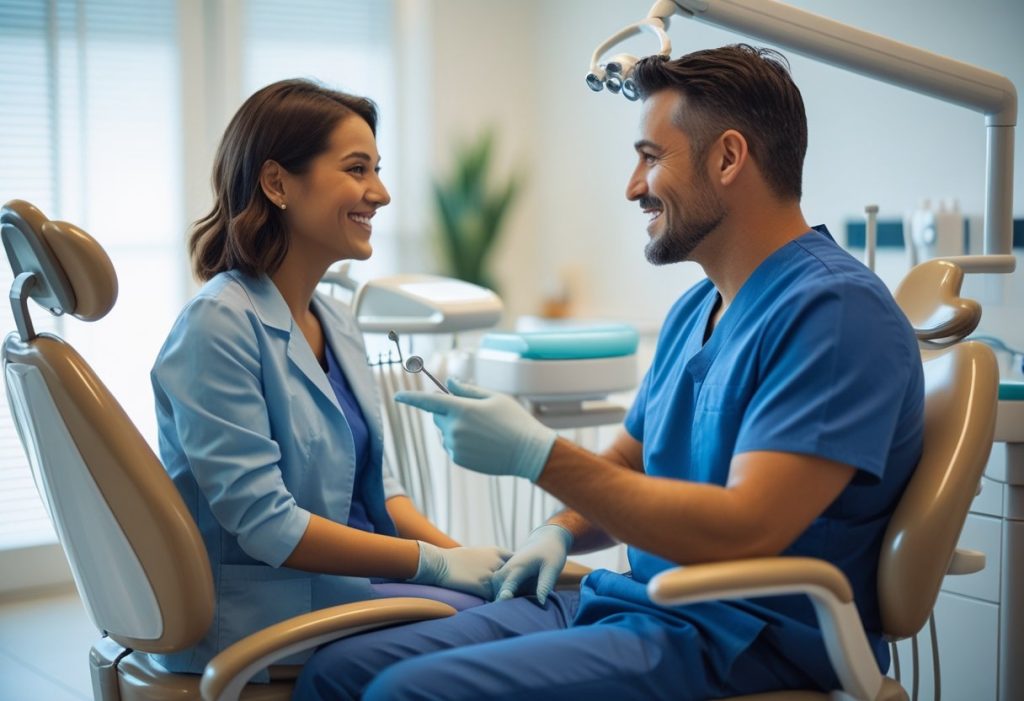
You want clear, affordable dental care in Clovis without sacrificing comfort or modern treatment options. You can find preventive cleanings, routine fillings, and many cosmetic and restorative services at prices and payment plans designed to fit local budgets.
The article outlines practical choices nearby—from straightforward preventive visits to affordable modern treatments and flexible insurance or financing options—so you can decide what fits your needs and schedule. Expect tips on choosing the right dental professional, what happens at a first visit, and simple next steps to protect your smile.
Essential Dental Care Options
This section highlights practical services that keep mouths healthy, relieve pain, and prevent bigger problems. It emphasizes predictable costs, gentle care, and clear next steps for patients seeking affordable options in Clovis.
Routine Checkups and Cleanings
Routine exams typically occur every six months and include an oral cancer screening, gum evaluation, and a professional cleaning. Hygienists remove plaque and tartar with ultrasonic scalers and hand instruments, then polish teeth to reduce staining and make brushing more effective.
Digital X-rays are often used to detect cavities between teeth and assess bone health with lower radiation than film. Many practices in Clovis offer discount plans or scaled fees for uninsured patients; ask about bundled exam + X-ray + cleaning pricing.
Preventive guidance focuses on individualized home care: brushing twice daily with a fluoride toothpaste, flossing or interdental cleaning once daily, and using a fluoride rinse when recommended. Regular visits detect issues early, which normally reduces treatment complexity and overall cost.
Fillings and Cavity Prevention
Fillings repair decay and restore tooth function using materials like composite resin (tooth-colored) or amalgam (durable, lower cost). Composite is widely used in Clovis for aesthetic results; its placement requires bonding steps that preserve more natural tooth structure.
Cavity prevention includes professional fluoride treatments, dental sealants on molars for children and at-risk adults, and targeted dietary advice to reduce frequent sugar and acidic exposures. Dentists often provide risk assessments that guide personalized preventive plans.
When decay reaches deeper layers, dentists may recommend onlays or crowns instead of larger fillings to strengthen the tooth. Many clinics offer payment plans or sliding-scale fees to spread costs, and treating small cavities early typically avoids more expensive root canals or extractions later.
Gentle Tooth Extractions
Extractions remove teeth that are irreparably damaged, severely decayed, or crowding the mouth. Dentists use local anesthesia and, when needed, nitrous oxide or oral sedation to manage anxiety and ensure a comfortable experience.
Simple extractions involve loosening a visible tooth; surgical extractions address broken or impacted teeth and may take longer. Providers in Clovis often explain the expected steps, recovery timeline, and pain-control options before proceeding.
Aftercare focuses on preventing dry socket and infection: keep gauze in place, avoid vigorous rinsing for 24 hours, eat soft foods, and take prescribed analgesics or OTC pain relievers as directed. Practices commonly discuss tooth replacement options—implants, bridges, or partial dentures—with cost breakdowns and timelines to help patients plan next steps.
Modern Treatments You Can Afford
Patients find effective, contemporary dental care in Clovis without high costs. Practical options include in-office and take-home whitening, clear-aligner alternatives to traditional braces, and durable restorations designed for long-term value.
Teeth Whitening Solutions
Teeth whitening options range from professional in-office treatments to dentist-prescribed take-home kits. In-office Zoom or LED-accelerated sessions deliver noticeable results in one visit, typically costing more but providing controlled, faster whitening under professional supervision.
Take-home trays made from impressions of the patient’s teeth use professional-strength carbamide peroxide or hydrogen peroxide gels. They cost less than a single in-office visit and allow gradual whitening at home over one to two weeks.
Over-the-counter products like strips and toothpaste can maintain shade between professional treatments but usually yield subtler results. Dentists often recommend a short pre-treatment exam to check for sensitivity, restorations, and tooth decay before starting any whitening.
Invisalign and Orthodontic Alternatives
Clear aligner therapy offers a discreet path to straightening teeth, with providers in Clovis offering local scans and treatment planning. Invisalign and comparable systems use a series of custom thermoplastic trays to move teeth incrementally; treatment length commonly ranges from 6 to 18 months depending on complexity.
For mild crowding or spacing, dentists may suggest limited-scope aligner plans or clear retainers that cost less than full orthodontic treatment. Monthly payments, dental membership plans, and third-party financing often spread the cost to make treatment affordable.
Traditional braces remain an option for complex bite issues; however, many adults prefer aligners for aesthetics and easier oral hygiene. A consultation clarifies which method fits the patient’s goals, timeline, and budget.
Crowns, Bridges, and Restorations
Crowns and bridges restore function and appearance when teeth are fractured, heavily filled, or missing. Modern materials like zirconia and porcelain-fused-to-zirconia combine strength with natural color; they often last 10–15 years with proper care.
Dentists in Clovis use digital impressions and same-day CAD/CAM milling in some offices to reduce visits and lower lab fees. For cost-sensitive patients, composite crowns or porcelain-fused-to-metal remain durable, more affordable alternatives.
For single missing teeth, implant-supported crowns provide the best long-term outcome but have higher upfront costs. A fixed bridge or removable partial denture offers a lower-cost interim or permanent solution depending on oral health and budget.
Insurance and Flexible Payment Plans
This section explains how local dental insurance typically applies, what discount or membership options cost and cover, and the common payment plans clinics offer to help patients manage treatment costs.
How Dental Insurance Works Locally
Dental practices in Clovis, CA, commonly accept major PPO plans and some HMO networks; patients should confirm specific provider participation before scheduling. Insurers typically categorize services as preventive (cleanings, exams), basic (fillings, extractions), and major (crowns, root canals), with preventive services often covered at 80–100% and major services subject to higher patient cost-sharing or waiting periods.
Annual maximums and deductibles vary by plan: many plans set an annual benefit cap between $1,000 and $2,000 and require a $50–$150 deductible. Pre-authorization for crowns or implants is common; clinics can submit claims electronically and estimate patient responsibility at the visit. New patients without a local provider on their plan should ask about out-of-network benefits and reimbursement procedures.
Discount Plans and Memberships
Several Clovis clinics offer in-office membership plans that act like low-cost alternatives to insurance. Typical membership features include two cleanings and exams per year, periodic x-rays, and reduced rates on fillings, crowns, and extractions for a flat annual fee—often between $200 and $400 per adult and $100–$200 per child.
Discount plans avoid insurer deductibles and waiting periods but do not pay third-party benefits. Patients who see the practice regularly and need restorations can save substantially. Ask for a written fee schedule and compare common procedures (e.g., filling, crown, root canal) to estimate yearly savings. Memberships often start immediately, making them useful for uninsured or out-of-network patients.
Flexible Payment Options
Most Clovis dental offices accept cash, credit/debit cards, and offer split-payment arrangements at the front desk. For larger procedures, clinics commonly provide short-term in-house financing such as 3–12 month interest-free plans, or extended plans through third-party lenders like CareCredit and LendingClub, with variable APRs based on credit.
Patients should request a treatment estimate that shows insurance estimates, patient out‑of‑pocket totals, and monthly payment examples. Clinics often require a deposit to schedule extensive treatment and will document payment terms in writing. For predictable budgeting, ask about phased treatment plans that prioritize urgent care first and spread elective work across visits.
Comfort-Focused Patient Experience
The practice prioritizes calm, efficient visits and child-friendly care tailored to local families. Staff use proven techniques to minimize discomfort and make appointments predictable.
Gentle and Stress-Free Visits
They begin each visit with a short, written care plan that lists procedures, estimated times, and out-of-pocket costs. Patients receive a quiet room option, noise-canceling headphones, and a choice of calming music to reduce sensory overload.
Clinicians use topical numbing gel before injections and slow-delivery anesthetic techniques to limit pain. For common procedures like cleanings and fillings, a buffered anesthetic is offered when appropriate to reduce sting and onset time.
They monitor vital signs for anxious patients and provide oral anti-anxiety medication or nitrous oxide when needed. Staff explain each step aloud and show instruments before use to build trust. Post-procedure care instructions come as a one-page checklist plus a follow-up call within 48 hours.
Kid-Friendly Dentistry
The office has a dedicated pediatric-friendly room with small chairs, colorful wall art, and dental tools sized for children. Staff schedule morning appointments for young kids to match natural energy levels and reduce wait times.
They use “tell-show-do” communication: the hygienist explains a step, demonstrates on a model, then performs the procedure. This approach lowers fear and helps children cooperate during cleanings, fluoride treatments, and sealant placement.
For toddlers and special-needs children, parents can stay in the treatment area. The team offers restraint-free behavior guidance, short appointment windows, and a reward system like stickers or a dental care kit to reinforce good habits.
Prevention and Community Wellness
Preventive care and community outreach reduce the need for costly treatments and help families maintain healthy smiles. Practical daily habits and local education programs make dental health accessible and manageable for Clovis residents.
Daily Home Care Tips
They should brush twice daily with a fluoride toothpaste for two minutes each time, using a soft-bristled brush and gentle circular motions. Floss once a day, sliding floss along the curve of each tooth and under the gumline to remove plaque where a brush can’t reach.
Replace the toothbrush every three months or after illness. Use an antimicrobial mouthwash if recommended by a dentist, and consider a fluoride rinse for added cavity protection in children or high-risk adults. Limit sugary snacks and acidic drinks; choose water, milk, or unsweetened tea between meals.
For denture or implant wearers, clean prosthetics daily and schedule professional checkups every six months. They should disclose medications that cause dry mouth and ask the dentist about saliva substitutes or topical fluoride to prevent decay.
Community Education Initiatives
Local clinics and schools in Clovis often host free or low-cost oral health fairs with screenings, fluoride varnish, and instructional demonstrations. These events distribute toothbrushes, floss, and easy-to-follow guides showing proper brushing and flossing techniques.
Mobile dental units visit community centers and senior facilities to provide preventive care to residents with limited transportation. Public health partnerships run targeted programs for children, offering sealants and classroom lessons that reduce childhood cavities.
Dental offices collaborate with food banks and social services to connect patients with sliding-scale care, Medicaid enrollment help, and referrals to clinicians who accept reduced fees. They also track outreach impact through simple metrics: number of screenings, sealants placed, and follow-up appointments completed.
Choosing the Right Dental Professional
Patients should look for a dentist who balances clinical skill with a comforting chairside manner. A practitioner who explains options clearly and listens to concerns helps reduce anxiety and improves treatment adherence.
Verify credentials and specialties. Board-certified dentists, continuing education, and affiliations with professional organizations signal up-to-date training and commitment to standards.
Ask about experience with affordable care and payment options. Clinics that offer sliding scales, in-house financing, or partnerships with community programs make treatment more accessible without sacrificing quality.
Consider office environment and staff attitude. A friendly, efficient front office and well-trained hygienists create smoother visits and better preventive care outcomes.
Use a short checklist when evaluating clinics:
- Location and hours
- Accepted insurance and payment plans
- Patient reviews and before/after photos
- Emergency availability
Inquire about sedation, pain control, and modern techniques. Minimally invasive treatments and clear anesthesia options help patients feel safer and recover faster.
Schedule an introductory visit or phone consultation. A brief meeting lets patients gauge communication style, ask about costs, and set realistic expectations before committing to treatment.
Encourage follow-up questions and express comfort needs openly. Clear communication helps the dental team tailor care, and most clinics welcome patients who want to understand costs and procedures before they begin.
What to Expect at Your First Visit
Patients typically begin with a warm welcome and brief paperwork to record medical history and current concerns. Staff confirm insurance or affordable payment options so finances don’t become a surprise.
The dental team performs a focused exam and takes X-rays as needed. They explain findings in plain language, pointing out any immediate issues and what can wait.
A professional cleaning often follows, removing plaque and polishing teeth to improve comfort and appearance. The hygienist offers simple home-care tips tailored to the patient’s needs.
The dentist reviews treatment options, timelines, and cost estimates using clear comparisons. They discuss preventive steps and modern, minimally invasive choices when applicable.
Questions receive time and attention; patients are encouraged to ask about pain control, financing, or fear management. Next steps are scheduled, and a printed or digital care plan is provided for easy reference.
Common questions and quick facts:
- What to bring: ID, insurance card, list of medications.
- Appointment length: typically 45–90 minutes.
- Payment: sliding scale or financing discussed upfront.
A friendly follow-up call or message often confirms understanding and next appointments, helping ensure patient comfort and continuity of care.
Next Steps for a Healthy Smile
They should schedule a dental exam to assess current needs and create a personalized plan. A routine check every six months helps catch small problems before they become costly.
They can review cost-saving options like in-office payment plans, sliding-scale clinics, and dental savings plans. Many practices in Clovis, CA list fees and financing online, so comparing a few saves time.
They should maintain daily habits: brush twice, floss once, and use fluoride toothpaste. Small consistent steps reduce the need for complex treatment and protect long-term oral health.
They can ask about preventive services that lower future costs, such as sealants, fluoride treatments, and early gum disease care. These options often cost less than restorative work later.
They should prepare for the visit by gathering dental insurance details, a list of medications, and any recent X-rays. Being organized speeds up treatment planning and insurance submissions.
They can contact the dental office with questions about comfort measures like nitrous oxide, topical anesthetics, or sedation options. Modern practices prioritize patient comfort and explain choices clearly.
Quick checklist:
- Book a comprehensive exam and cleaning
- Ask about financing and low-cost programs
- Keep daily oral hygiene routines
- Inquire about preventive treatments
- Bring insurance and medical information to the appointment
They are encouraged to call or message a local Clovis dental office to discuss options and schedule an appointment. A friendly consultation answers concerns and sets a clear path to a healthier smile.
Frequently Asked Questions
This section answers common cost, coverage, and access questions for dental care in Clovis. It lists practical steps, typical prices, and options for low-cost and urgent visits.
How can I find a trustworthy dentist in Clovis who fits my budget?
They should check online reviews on Google and Healthgrades for recent patient experiences and before/after photos.
Look for dentists who list fees, new-patient specials, or membership plans on their websites to compare prices quickly.
Ask whether the office offers a free or low-cost initial exam and consult so they can assess needs before committing to treatment.
Confirm dentist credentials, state board status, and any specialty training through the California Dental Board.
What low-cost options are available for a dental exam, X-rays, and a cleaning for new patients?
Many Clovis practices offer new-patient specials ranging from $59–$149 that include an exam, bitewing X-rays, and a basic cleaning.
Community clinics and dental schools sometimes provide the same services for reduced fees or on a sliding scale based on income.
Federally qualified health centers (FQHCs) in Fresno County may charge reduced rates and accept self-pay discounts.
Call ahead to confirm exactly which X-rays and type of cleaning (prophylaxis vs. periodontal) are included in any advertised package.
Do any local dental offices accept Medi-Cal, and what services are typically covered?
Several dental clinics in the Fresno/Clovis area accept Medi-Cal; coverage varies between adults and children.
Medi-Cal generally covers emergency care, extractions, fillings for children, and preventive services like cleanings for eligible recipients.
Adults on full-scope Medi-Cal may have limited restorative coverage depending on current state programs.
Contact the clinic and Medi-Cal customer service to verify enrollment, specific benefits, and any required authorizations.
What payment plans or in-office financing options can help spread out the cost of treatment?
Many offices offer in-house payment plans that allow patients to split balances into 3–12 monthly payments with little or no interest.
Third-party dental financing companies (CareCredit, LendingClub, Proceed Finance) also provide short-term no-interest and longer-term low-interest options.
Ask for a written estimate and the payment schedule before treatment starts to avoid surprises.
Some practices discount treatment when patients pay in full up front.
How much does a filling, crown, or root canal usually cost in the Clovis area, and what affects the price?
Composite (tooth-colored) fillings typically range from $150 to $300 per surface.
A single crown usually runs $900–$1,600 depending on material (porcelain-fused-to-metal, all-ceramic, or zirconia).
A single-root canal on an anterior tooth commonly costs $700–$1,200; molar root canals can be $1,000–$1,800.
Factors that change price include tooth location, complexity, materials, need for a post or buildup, and whether a specialist (endodontist or prosthodontist) performs the work.
If I have a toothache or chipped tooth, what’s the best way to get seen quickly without a big upfront cost?
Call dental offices that advertise same-day or emergency appointments and ask about emergency exam fees or reduced-cost triage visits.
Community clinics and urgent dental clinics often reserve slots for acute care at lower rates than full restorative visits.
If pain is severe, explain symptoms clearly to prioritize appointments; many offices will provide a temporary fix or pain-relief visit with a modest exam charge.
Bring any available X-rays or insurance information to speed diagnosis and limit additional upfront costs.
Questions or want help finding local options? They should contact a nearby dental office to discuss specifics and schedule a consultation.