
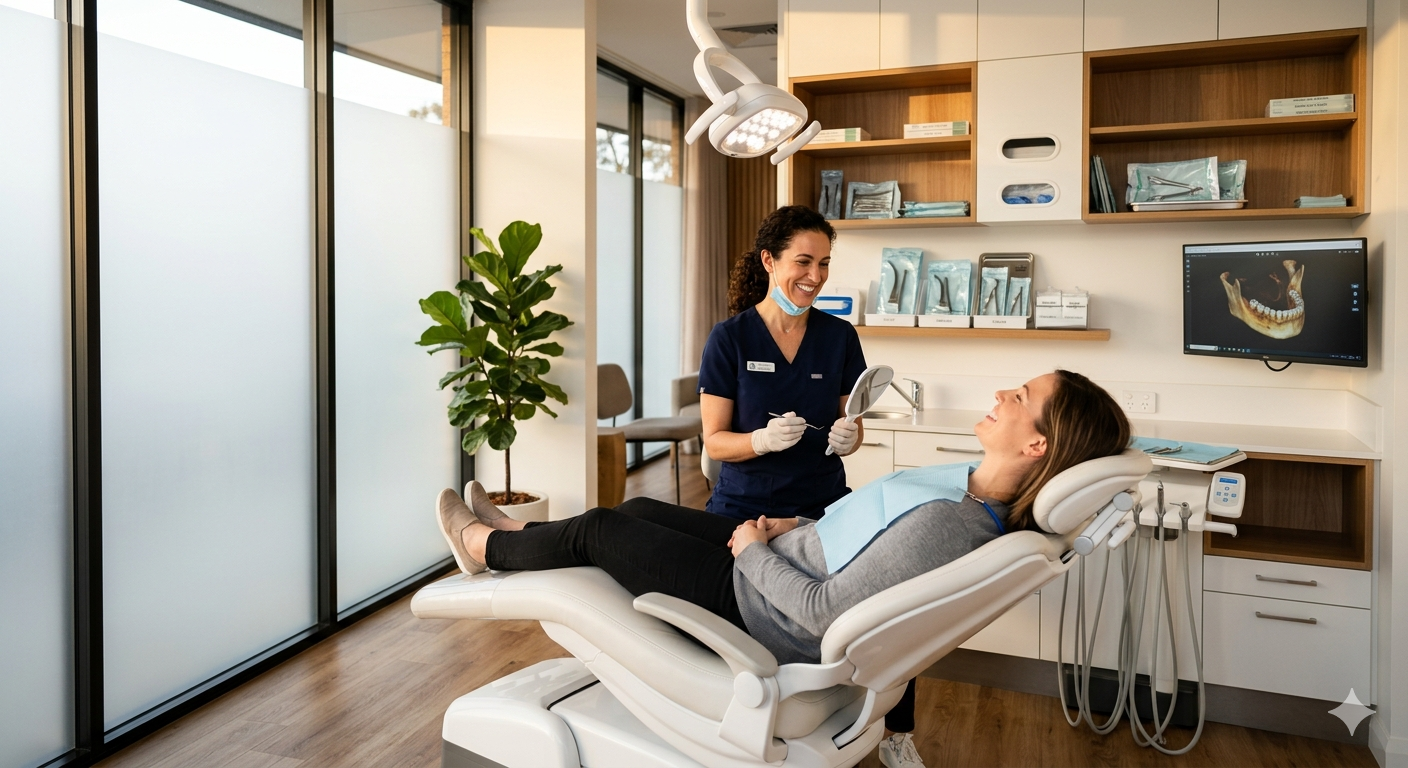
If you need a dental crown without multiple visits, same-day crowns in Clovis, CA let patients get a custom, long-lasting restoration in a single appointment. They use digital scanning and on-site milling to design, fabricate, and place a crown that fits well and looks natural, often within a couple of hours.
This post explains how the technology works, who benefits most, what to expect during and after treatment, and why many people in Clovis choose local offices for the convenience and care. Expect clear comparisons with traditional crowns, straightforward guidance on candidacy, and practical next steps for scheduling a consultation.
Understanding Same-Day Dental Crowns
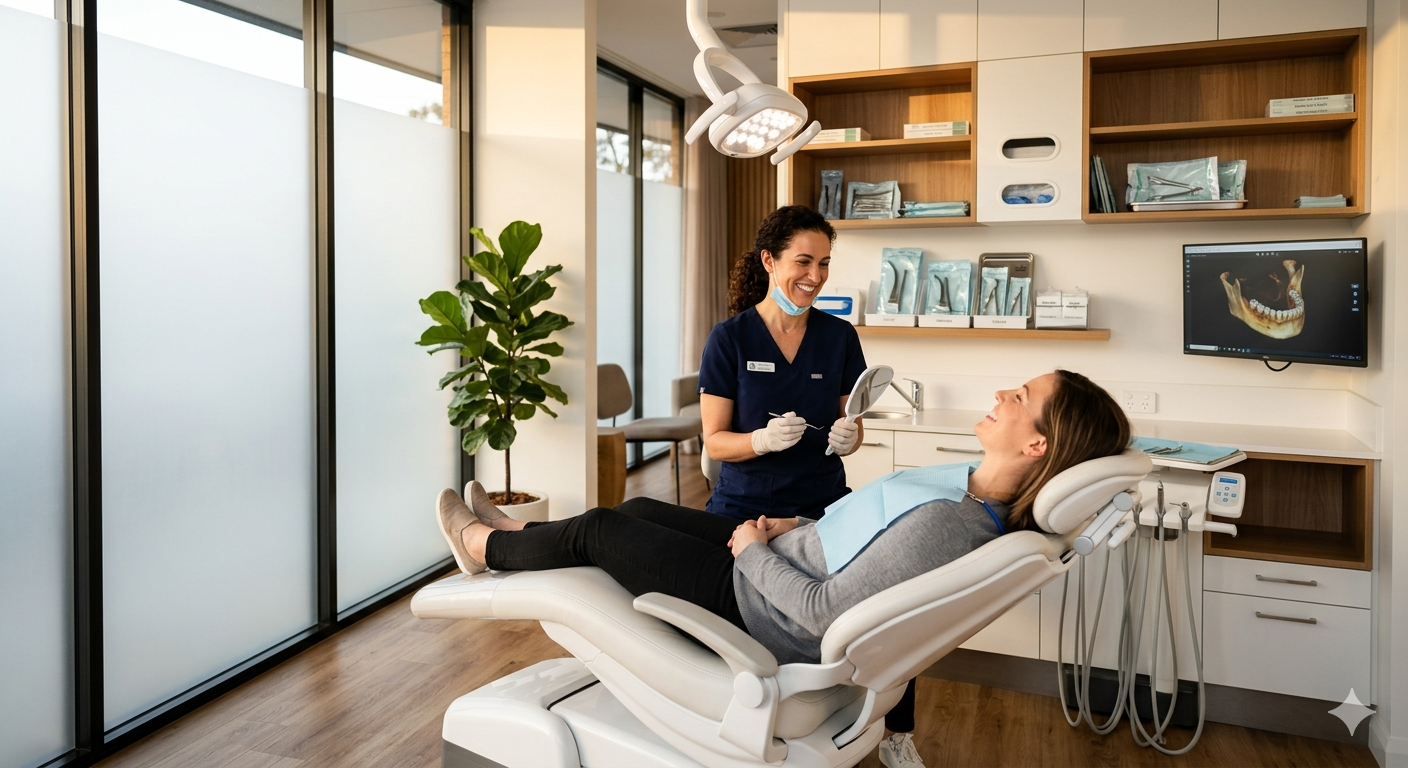
Same-day crowns let patients get a custom, permanent restoration in a single visit using digital design and in-office milling. They reduce treatment time, eliminate temporary crowns, and often improve fit compared with traditional lab-made crowns.
What Makes Same-Day Crowns Unique
Same-day crowns stand out because the entire process happens in one appointment: digital scanning, CAD/CAM design, milling, and bonding. A patient arrives with a damaged or decayed tooth, the dentist removes damaged structure and captures a digital impression with an intraoral scanner. The crown is designed on the spot using CAD software; adjustments are visible immediately on the screen.
The clinic mills the crown from a ceramic or composite block while the patient waits, typically 10–30 minutes. The dentist fits, shades, polishes, and bonds the crown that same day. This workflow reduces the risk of temporary-crown issues such as poor fit, sensitivity, or loss.
How the Technology Works
Digital scanning replaces traditional putty impressions. The intraoral scanner captures hundreds of thousands of data points to create a precise 3D model. Software translates that model into a crown design with proper occlusion, contacts, and contour.
A milling unit carves the crown from a solid block using diamond burs under computer control. After milling, the crown receives finishing touches: staining, glazing, and final polishing. Bonding uses adhesive protocols specific to the material to achieve a strong seal and proper margin fit. The result is a restoration designed to match bite forces and neighboring teeth in a single clinical visit.
Types of Materials Used
Clinics commonly use monolithic zirconia, lithium disilicate (e.max), and composite blocks for same-day crowns. Monolithic zirconia offers high strength for posterior teeth and thin margins for tight fits. Lithium disilicate provides superior translucency for front teeth and strong bonding when esthetics matter.
Composite blocks are economical and repairable chairside but wear faster than ceramics. Material choice depends on tooth location, bite force, esthetic needs, and budget. Dentists in Clovis often explain trade-offs: zirconia for durability, lithium disilicate for esthetics, composite for short-term or cost-conscious cases.
Benefits of Choosing Same-Day Crowns
Same-day crowns reduce appointment time, limit temporary-crown risks, and deliver a precise fit. Patients often get final restoration in a single visit, with durable materials and esthetic results tailored to their bite and shade.
Time-Saving Convenience
Same-day crowns use in-office digital scanning and milling so patients avoid multiple visits and temporary crowns. A single appointment typically lasts two to three hours, depending on complexity, instead of the two-to-three visits required by traditional lab-made crowns.
This saves travel and time off work. It also eliminates the need to manage a fragile temporary crown for two weeks, reducing the chance of emergency returns for dislodged or broken temporaries.
Clinics in Clovis often schedule same-day cases back-to-back, allowing earlier treatment completion. That scheduling efficiency benefits patients who have tight work or family commitments and prefer to finish restorative work quickly.
Natural Look and Feel
CAD/CAM crowns are milled from solid ceramic blocks that mimic tooth translucency and color. Dentists match shade, shape, and surface texture to adjacent teeth, producing a lifelike result that blends into the smile.
The fit is digitally designed to preserve occlusion and contacts, so chewing feels normal and neighboring teeth remain stable. Patients typically report little to no change in speech or bite after placement.
Polishing and staining in the operatory refine the final appearance before cementation. Because the entire process happens in one visit, adjustments are made immediately for both function and esthetics.
Durability and Longevity
Modern ceramic materials used in same-day crowns, such as lithium disilicate, offer high fracture resistance and wear characteristics comparable to traditional restorations. When bonded correctly, they resist chipping and maintain strength under normal chewing forces.
Longevity depends on oral hygiene, bite forces, and follow-up care. With proper brushing, flossing, and routine dental check-ups every six months, many patients see their crowns last 8–15 years or longer.
Clinics provide specific care advice after placement, including avoiding very hard foods for the first 24–48 hours and wearing a nightguard if the patient grinds teeth. These steps help protect the restoration and maximize lifespan.
The Step-by-Step Treatment Experience
Patients move from consultation to a finished crown in a single visit, combining digital scanning, on-site milling, and precise placement. The process focuses on comfort, speed, and a natural-looking result that fits the patient’s bite and smile.
Initial Consultation and Digital Scanning
The dentist reviews medical history, symptoms, and X-rays to confirm a crown is appropriate. They check for decay, cracks, and root health; if a root canal or additional treatment is needed, the timeline may change.
A local anesthetic numbs the area for comfort during tooth preparation. The clinician removes decay or reshapes the tooth with a conservative approach to preserve enamel when possible.
A digital intraoral scanner captures high-resolution 3D images of the prepared tooth and surrounding bite in minutes. The scanner replaces messy impressions and ensures precise margins, occlusion data, and shade matching for a natural result.
Crown Crafting On-Site
The digital file transfers directly to an in-office design workstation where the dentist or dental technician designs the crown. They adjust anatomy, contacts, and occlusal relationships to match neighboring teeth and the patient’s bite.
A milling unit then carves the crown from a selected block material—commonly lithium disilicate or zirconia—within 10–30 minutes depending on material and complexity. Patients can wait in a comfortable area during this step.
After milling, the crown may undergo staining, glazing, or final sintering to achieve strength and lifelike color. The team checks fit on a model and refines margins or contacts before the clinical try-in.
Placement and Final Adjustments
The dentist trials the crown in the mouth to verify fit, contacts, and occlusion. They confirm esthetics under natural light and make small adjustments with fine burs or polishing tools as needed.
Once satisfied, the clinician bonds the crown using dental cement or resin cement following isolation and tooth cleaning. Excess cement is removed, and the bite is rechecked to prevent high spots.
The patient receives post-op instructions on care, chewing, and any temporary sensitivity to expect. The office schedules routine check-ups and encourages questions about maintenance, such as nightly flossing and avoiding hard foods for 24 hours.
Who Is a Good Candidate for Same-Day Treatment
Patients considering same-day crowns usually seek fast results without multiple visits, want to preserve more natural tooth structure, and value modern digital impressions. Dentists evaluate the tooth’s condition, bite, gum health, and the patient’s medical history to determine suitability.
Suitability for Various Dental Issues
Same-day crowns work well for single teeth needing moderate to large restorations after decay removal or replacement of a failing filling. They suit teeth with cracks or fractures that have enough remaining healthy structure to support a crown. Dentists commonly recommend them for posterior molars and premolars where strength and a precise fit matter.
They also serve cosmetic corrections, such as resizing or reshaping a visible tooth when enamel is otherwise healthy. For root-canal-treated teeth that already have adequate core build-up, a same-day crown can protect the tooth immediately. However, extensive multi-tooth restorations, full-mouth reconstructions, or complex bite corrections usually require conventional planning.
Considerations for Tooth Health
Adequate remaining tooth structure is essential; the tooth must have enough sound enamel and dentin for the crown to seat and retain properly. Active infection, uncontrolled periodontal disease, or severe decay that reaches below the gumline often require treatment—such as root canal therapy, gum therapy, or a post-and-core—before crown placement.
Gum health and occlusion affect longevity. Inflamed gums or unresolved bite issues increase the risk of margin gaps, sensitivity, and premature failure. Medical factors like uncontrolled diabetes or habits like heavy bruxism may warrant additional precautions, night guards, or alternative treatment sequencing to ensure success.
Limitations to Keep in Mind
Same-day crowns rely on in-office CAD/CAM fabrication, so extreme color-matching needs for front teeth or highly specialized ceramic layering may be better handled by a dental lab. Cases needing custom shade blending, translucent ceramics, or complex porcelain layering sometimes require lab fabrication for superior aesthetics.
Large restorations that need posts, extensive core build-ups, or staged periodontal surgery cannot always be completed in one visit. Insurance coverage and cost differences between same-day and lab-made crowns can vary; patients should confirm benefits and copayments beforehand to avoid surprises.
What to Expect After Your Appointment
The patient will leave with a polished, fitted crown and simple aftercare steps to follow. Immediate comfort, a short recovery window, and routine care are the priorities to protect the restoration and surrounding teeth.
Caring for Your New Crown
For the first 24 hours, avoid very sticky or hard foods — things like taffy, hard candies, or ice can dislodge a newly bonded crown. Chew on the opposite side when possible and cut food into small pieces to minimize pressure.
Brush twice daily with a soft-bristled toothbrush and use a low-abrasive fluoride toothpaste to protect the crown margins. Floss daily; slide the floss out gently at the crown-tooth contact to avoid catching and pulling.
If the crown feels high or causes discomfort when biting, contact the dental office promptly for an adjustment. A quick bite adjustment usually resolves the issue and prevents uneven wear or jaw strain.
Recovery Timeline and Sensitivity
Numbness from local anesthesia will wear off within 2–4 hours; avoid chewing until sensation returns to prevent accidental bites to the lip or tongue. Mild gum soreness or a dull ache around the treated tooth is common and typically eases within 48–72 hours.
To manage discomfort, the patient can take over-the-counter ibuprofen or acetaminophen as directed, unless contraindicated. Apply a cold pack to the cheek in 10-minute intervals for swelling or bruising during the first day.
If sensitivity to hot, cold, or pressure persists beyond two weeks, or sharp pain develops, schedule a follow-up. These symptoms may indicate bite issues, high restoration margins, or the need for minor adjustments.
Ensuring Long-Term Success
Daily oral hygiene prevents decay at the crown margins; plaque accumulation is the main threat to long-term success. Recommend brushing twice daily, flossing once daily, and using an antiseptic mouthwash if recommended by the dentist.
Regular dental checkups and professional cleanings every six months let the dentist inspect the crown for cracks, cement breakdown, or decay at the edges. They can re-polish or re-cement crowns when needed to extend lifespan.
Avoid habits that stress the crown, such as nail-biting, ice-chewing, or using teeth as tools. If the patient grinds or clenches, the dentist may suggest a nightguard to protect the crown and surrounding teeth.
How Same-Day Crowns Compare to Traditional Options
Same-day crowns deliver a finished restoration in one visit using in-office digital scanning and milling. Traditional crowns use lab fabrication and require multiple visits, temporary crowns, and longer total healing time.
Differences in Procedure and Results
Same-day crowns use a digital intraoral scanner to capture the tooth in minutes. The dentist designs the crown with CAD software, then mills it from a block of ceramic while the patient waits. This eliminates temporary crowns and reduces the risk of fit issues caused by temporary removal or lab communication errors.
Traditional crowns involve tooth preparation, an impression (analog or digital), and a temporary crown that stays in place for 1–3 weeks. A dental lab fabricates the final crown, which can allow more complex layering for aesthetics but introduces lab turnaround time and potential for remakes if the fit isn’t perfect.
Fit and function for same-day crowns are often equivalent to traditional crowns for single-unit restorations on posterior and many anterior teeth. Traditional lab-made crowns may still be preferred for very complex cosmetic cases or multi-unit bridges where specialized materials and laboratory techniques offer finer layering and color matching.
Cost and Insurance Considerations
Same-day crowns often cost similar to all-ceramic lab crowns, but pricing varies by clinic and the material used. Many offices charge a single fee covering scanning, milling, and final placement; traditional crowns may separate office fees and lab fees on the estimate. Patients should request a written estimate that lists materials, fabrication method, and any temporary crown charges.
Insurance plans typically categorize both same-day and lab-made crowns under the same restorative benefit codes (e.g., D2750–D2752 for crowns), but coverage depends on plan rules. Pre-authorization helps clarify patient responsibility. Patients with cosmetic-only coverage limitations should confirm whether the chosen material is covered.
For patients seeking financing or HSA/FSA use, same-day crowns are generally eligible if billed as restorative. Dentists often provide payment plan options and will discuss cost differences between zirconia, e.max, and layered porcelain based on durability and aesthetic needs.
Why Local Patients Choose Clovis Dental Offices
Local patients pick Clovis dental offices for reliable care, convenient scheduling, and treatments that fit busy lives. They value clear cost estimates, same-day crown options, and practices that work with local insurance plans.
Community-Focused Care
Clovis dentists prioritize neighborhood ties by hiring staff who live or work nearby and by participating in local health fairs and school screening events. That presence makes scheduling flexible; many offices offer evening hours, Saturday appointments, and direct booking for follow-up visits to accommodate working parents and students.
Offices also coordinate with nearby specialists when needed, arranging same-day referrals or shared treatment plans with endodontists and oral surgeons. Patients notice shorter wait times for urgent crown repairs because clinics maintain in-house CAD/CAM systems and keep a small inventory of temporary restorative materials for emergencies.
Patient Comfort and Support
Clovis practices emphasize low-anxiety visits through quiet waiting areas, noise-cancelling headphones, and plain-language explanations of procedures. Clinicians use digital imaging to show patients exactly what needs work, then outline step-by-step plans and clear out-of-pocket estimates before any treatment begins.
Staff often offer comfort options such as topical numbing, nitrous oxide, or oral sedation when appropriate, and they follow specific post-procedure calls or texts to monitor recovery. Bilingual receptionists and printed materials in Spanish help non-English speakers feel understood and reduce miscommunication about appointments or insurance.
Advanced Dental Technology in Clovis
Many Clovis offices have invested in in-house CAD/CAM milling units and intraoral scanners that enable same-day crowns from scan to final placement in a single visit. This technology reduces appointments and temporary crown failures by producing custom-milled ceramic restorations on-site within one to two hours.
Digital X-rays, 3D cone-beam imaging, and practice management software streamline diagnosis, treatment planning, and insurance claims. That integration allows dentists to show patients high-resolution images and simulated crown fits before fabrication, improving fit and reducing adjustments after placement.
Next Steps for a Confident, Healthy Smile
They should schedule a consultation to review options and confirm candidacy for same-day crowns. The visit usually includes a quick exam, digital scans, and a discussion of material choices like porcelain or zirconia.
Patients can expect a streamlined process: same-day crowns often require one appointment and digital design, which reduces time in temporary restorations. This approach minimizes appointments and keeps treatment predictable.
Prepare questions in advance to make the most of the visit. Suggested questions:
- What material is best for my tooth and bite?
- How long will the crown last with regular care?
- Are there financing or insurance options available?
After treatment, gentle home care preserves results. They should brush twice daily, floss once a day, and avoid very hard foods for a few days if the bite feels sensitive.
Follow-up matters: a short post-op check ensures fit and comfort, and routine dental cleanings help detect issues early. Most practices recommend dental exams every six months, or as the dentist advises.
If anxiety or sensitivity is a concern, the clinic can discuss comfort measures like local anesthesia or calming techniques. They aim to ensure patients feel safe, informed, and comfortable throughout the process.
Call or book online to arrange a consultation, ask about same-day crown availability, and confirm insurance or payment options.
Frequently Asked Questions
This section answers practical concerns about same-day crowns in Clovis, CA: how the technology works, what to expect during an appointment, typical costs and insurance coverage, emergency availability, and durability compared with lab-made crowns.
Can a dental crown really be made and placed in just one visit?
Yes. CAD/CAM scanners capture the tooth digitally, software designs the crown, and an onsite milling machine fabricates it—often within 60–90 minutes. The dentist then checks fit, makes adjustments, and bonds the crown that same visit.
How much does a same-day crown usually cost, and what affects the price?
Costs in Clovis typically range from $900 to $1,800 per crown without insurance. Price varies by material (monolithic ceramic versus higher-strength porcelains), complexity of preparation, need for root canal or buildup, and whether sedation or additional imaging is required.
Are same-day crowns as strong and long-lasting as traditional lab-made crowns?
High-quality same-day ceramic crowns are comparable in strength and longevity to lab-fabricated all-ceramic crowns for most back and front teeth. Longevity depends on oral hygiene, bite forces, bruxism, and regular dental check-ups; some cases still favor lab-made or metal-ceramic crowns for extreme bite stress.
What should I expect during a one-visit crown appointment, step by step?
The visit begins with a clinical exam, X-rays if needed, and local anesthesia. The tooth is prepared, a digital impression is taken, and the crown is designed while the patient waits.
The milling process usually takes under two hours; the clinician then tries the crown, adjusts occlusion and contacts, polishes, and permanently bonds the restoration. Final instructions cover care, sensitivity expectations, and follow-up scheduling.
Can I get an emergency crown appointment if I chip or break a tooth on a weekend or after hours?
Many Clovis practices offer same-day emergency appointments or on-call coverage for acute breaks that expose nerve tissue or cause severe pain. For non-urgent chips, same-day slots may be limited; calling the dental office early yields the best chance for same-day placement.
Will my dental insurance cover a crown, and do you accept plans like CalViva?
Most dental plans cover part of crown costs under restorative benefits, often covering 50%–80% after deductibles, depending on the policy and whether the crown is considered medically necessary. Some Clovis offices accept CalViva and other Medi-Cal managed care plans that include adult dental benefits; patients should verify coverage and preauthorization requirements with their plan and the dental office before the appointment.